
The Ashtanga Vinyasa Tradition
Foundation and context
Ashtanga Vinyasa Yoga is a form of Hatha Yoga that refers to the 8 limbs path of Yoga that were systemised by the great sage Patanjali in the text "Yoga Sutra" (200 BC).
The practice intends to unfold and expand awareness in a step-by-step process without neglecting weak areas or outline strong ones. This approach, called vinyasa, means sequential. It implies intelligent, balanced evolution, and it produces remarkable strength, flexibility, and clearness of mind. Out of the principle of vinyasa different progressive series of postures were created (in the old method 4, new method 6 series) using the movements of the Sun Salutation as transitioning steps.
The Ashtanga Vinyasa lineage ( transmission ), like any living lineage, is a hybrid of yoga methodologies and philosophies, which converge clearly in the teachings of the early Upanishads and blossom later in the practices of Hatha yoga and Tantra. The internal forms of Ashtanga Vinyasa yoga—using bandha, mudra, drishti, and ujjai breathing—are the pinnacle of Tantric technique, which are also brought to light in the broad clarifying context of Patanjali’s yoga philosophy and the non-dualism of the Upanishads. This traditional approach is recognisable in Hindu and Buddhist contemplative traditions as well as in the direct experience the practice uncovers.
The Ashtanga practice, as taught today, comes to us directly through the teachings of T. Krishnamacharaya and K. Pattabhi Jois who collaborated in the 1930’s as teacher and student to develop the flowing form and series of postures we call Ashtanga Vinyasa yoga. Their work, derived in part from the internal principles of vinyasa found in the ancient Indian text, the Yoga Kurunta, draws together the potent threads of yoga asana with traditional Indian philosophy, pranayama, and meditation, so that integrated movement, form, and awareness invite the student into the present moment.
When body, breath, and mind merge seamlessly, spontaneous samadhi occurs.
The Internal Forms
-
Breath
Yoga practice, just like life, begins and ends with breath. In Yoga breath stands for much more than just the physiological aspect of it, it provides the all-pervading background, a cyclical pattern of increase and decrease of sound and perception. It unifies, sustains and informs the field of experience, on the physical, mental and emotional level.
In the Ashtanga system, the ujjai breathing is the foundation for all the internal forms of the practice, either beginner or advanced practitioner. The waves of the breath start the process of alignment, from inside out. This technique is characterised by a sound resulting from closing the vocal cords a little bit. It sounds almost like you were whispering the word ah with your lips closed, on the inhale as well as the exhale.
-
Bandha
Three interrelated bandhas are most frequently associated with Ashtanga Vinyasa yoga: Mulabandha, Uddiyanabandha and Jalandharabandha. In the process of learning, it is beneficial to visualise them as areas within the body where opposite, yet complementary patterns join together, forming a bond. They serve as internal seed-points of clear attention from which integrated movement, thought, emotion and breath or Prana unfold all around.
When bandhas are perceived as the linking together of complementary patterns, then the background and the foreground come into full relationship. The sense of effort and tension melts away.
-
Drshti
The term drshti refers both to a particular place on which the eyes rest during practice and to a quality or feeling associated with the gaze. The eyes are fully present while resting on a specific point and the quality is steady, calm and spacious, unattached; there is no mental or physical tension, no grasping, avoiding, judging or naming the object/area upon which we gaze.
Releasing the palate, softening the tongue and listening to the sound of the ujjai breath facilitates proper drshti. Good drshti is awake, attentive and innocent, just like a baby’s eyes looking to discover the world; he/she does not identify him/herself as being separate from the rest of the world and he/she has no concepts formed yet. He/she is just looking.
-
Mudra
Mudra is the most subtle form of the practice. It can have several meanings: a seal, a mark, a ritualised gesture of joining together, or specific hand or finger gesture to focus the mind. In the context of the Ashtanga practice, it is the internal pattern that awakens within the body when bandha is practiced flawlessly. It cannot be achieved through force, but requires strong, focused and consistent practice.
Bandha and Mudra practice is what a vinyasa practice really is: the sequential joining together and separating of complementary opposites as a means of cultivating awareness.
The following mudras are associated with an asana practice: Kechari Mudra, Yoni Mudra and Tadagi Mudra.
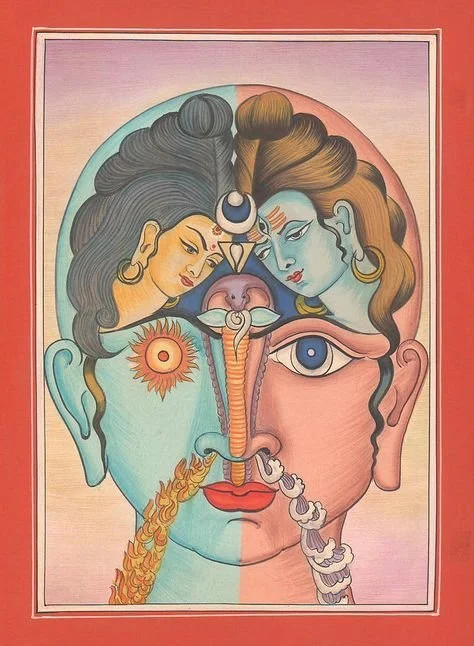
The Energetic Body
mmmmmmmmmmhhhhhhhhhhhh
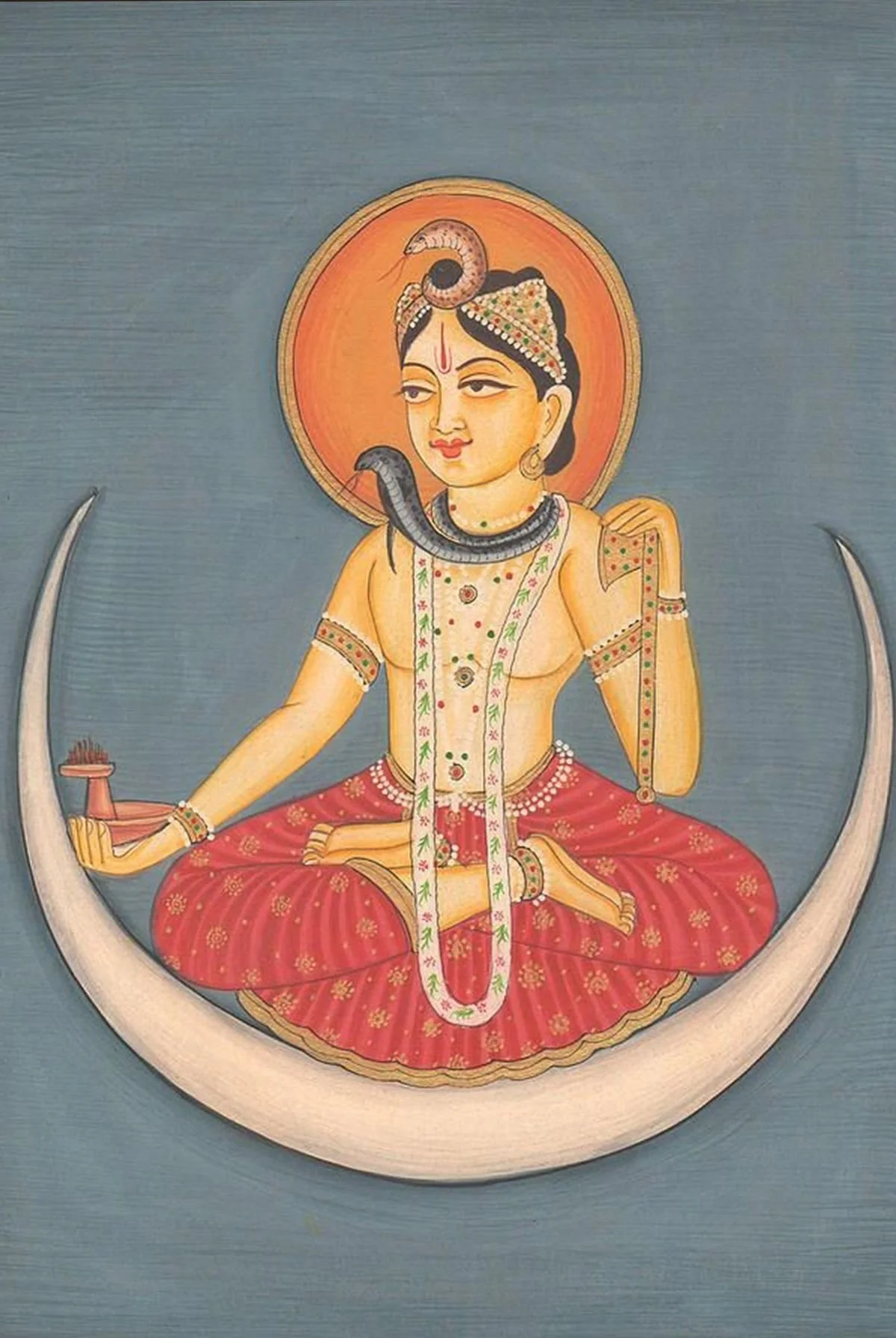
Intention and Action
nnnnnnnnnnnnnnnnnnnnnnnnnnnnnnnnnnnooooooooo
Sequencing and the series of Ashtanga Yoga
-
Sūrya Namaskāra (Sun Salutation) serves as the foundation of Aṣṭāṅga Vinyasa practice. It contains all the subtle alignment as well as it starts the process of joining together complementary opposites from which the internal forms of the practice unfold. Here you will establish the calm rhythm of breathing (Ujjāyī) direction of Energy (Bandha) and concentration (Ḍṛṣti). The tone and stream of a moving meditation is initiated.
-
As we begin to understand the underlying principles of form, alignment and good organisation required to practice Āsana and Vinyāsa we see how valuable standing poses are. They are stimulating, grounding and integrating. They connect us top to bottom, earth to sky, naturally emphasising the relationship with the ground from the feet and legs moving up, consequently waking up the hips and spine.
-
Yoga Cikitsā = Yoga therapy, the first series of Aṣṭāṅga Yoga, has a primary focus on forward bending. When practiced safely and intelligently, in sync with the internal cues of Prāna patterns, forward bending are incredibly grounding, therapeutic, calming.
-
The second series is called Nāḍi Śodhana = the cleansing of the energetic channels. Breath , Bandha and Ḍṛṣti become continuously more deep in experience. The sequence is mainly focused on back-bending (in the first part), which are the epitome of the prāna family, expressing a sense of extension and expansion up and out. In order to bring balance into backbends, is is very important to focus on the complementary opposite, which are governed by āpana.
-
The poses in the third series of Aṣṭāṅga Yoga may appear acrobatic, but they create a sense of "sublime tranquility," which explains the name of the series: Sthira Bhaga.
The advanced sequence demands a high degree of strength and flexibility. A lot of practice and endurance is neccessary to learn it.
-
The finishing sequence, more than any other group of poses, guides the practitioner into energetic subtleties that lead to deep meditative states. They are called like this because they are placed at the end of an āsana practice, setting a tranquil mood that allows the residue of an intense practice to be integrated and potentially transformative.